Future-Ready, Low-Waste Strategies to Make Your Synthetic Chemistry Truly Sustainable in 2026
Green Synthesis Methods Every Chemist Should Know in 2026
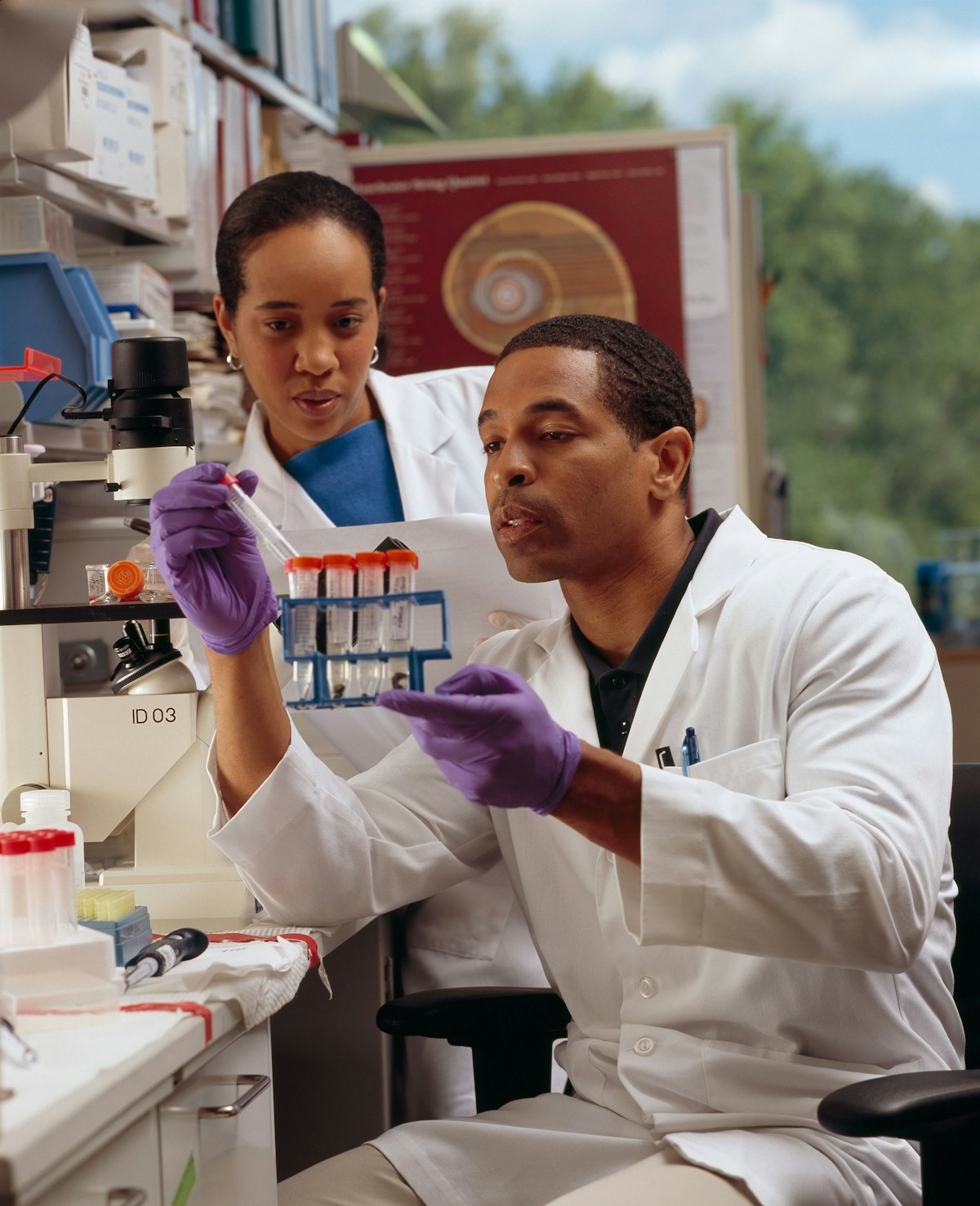
As we navigate through 2026, the paradigm shift toward sustainable chemistry has become not just a choice but a necessity. Green synthesis methods are revolutionizing how we approach chemical transformations, offering pathways that minimize environmental impact while maintaining—and often enhancing—efficiency and product quality. From pharmaceutical manufacturing to industrial-scale production, these methodologies are reshaping the chemical landscape.
The Green Chemistry Imperative
The global chemical industry faces mounting pressure to reduce its environmental footprint while meeting increasing demand. Green synthesis methods offer a solution that balances sustainability with economic viability.
This comprehensive guide explores the essential green synthesis methods that every chemist should master in 2026, from innovative solvent systems to cutting-edge activation techniques powered by artificial intelligence.
1. Green Solvents and Solvent-Free Reactions
Water as a Universal Green Solvent
Water has emerged as the ultimate green solvent, offering unparalleled advantages in terms of safety, availability, and environmental compatibility. Its use in organic synthesis has expanded dramatically, particularly in pharmaceutical applications where minimizing toxic waste is critical.
💡 Advantages of Aqueous Chemistry
- Zero toxicity and infinite availability
- Enhanced reaction rates through hydrophobic effects
- Simplified product isolation and purification
- Reduced fire and explosion hazards
Key aqueous reactions include:
- Aldol condensations in water
- Michael additions with water-soluble catalysts
- Diels-Alder reactions accelerated by hydrophobic effects
- Cross-coupling reactions using water-stable catalysts
Supercritical Carbon Dioxide ($\ce{scCO2}$)
Supercritical $\ce{CO2}$ represents a paradigm shift in green solvent technology. Above its critical point (31°C, 73.8 bar), $\ce{CO2}$ exhibits liquid-like solvating power with gas-like diffusivity, making it ideal for extractions, polymerizations, and organic transformations.
The phase behavior is described by:
$$P_c = 73.8 \text{ bar}, \quad T_c = 31.1°\text{C}$$
📝 Industrial Applications
Supercritical $\ce{CO2}$ is extensively used in pharmaceutical manufacturing for drug formulation, extraction of natural products, and as a reaction medium for polymerizations.
Solvent-Free Reactions
The ultimate green approach eliminates solvents entirely. Solvent-free reactions significantly reduce waste generation and energy consumption, making them particularly attractive for industrial-scale processes.
Examples of Solvent-Free Reactions
- Knoevenagel condensation: Solid-state reaction between aldehydes and active methylene compounds
- Diels-Alder cycloadditions: Neat reactions at elevated temperatures
- Esterifications: Direct reaction of carboxylic acids with alcohols
- Multicomponent reactions: One-pot synthesis without solvent media
Khetre, A., Ghadi, F., Nitave, S., & Patil, V. C. (2025). "Beyond Traditional Chemistry: Pioneering Green Synthesis in Pharmaceuticals." Journal of Medicine and Health Research. DOI: 10.56557/jomahr/2025/v10i29743
2. Advanced Catalysis: The Green Chemistry Cornerstone
Recyclable Catalysts
The development of recyclable catalysts represents a major advance in sustainable synthesis. These catalysts can be recovered and reused multiple times, dramatically reducing waste and resource consumption.
| Catalyst Type | Recovery Method | Typical Cycles | Applications |
|---|---|---|---|
| Heterogeneous Pd/C | Filtration | 5-10 | Hydrogenations, C-C coupling |
| Immobilized enzymes | Magnetic separation | 10-20 | Chiral synthesis |
| Ionic liquid catalysts | Phase separation | 15-30 | Alkylations, acylations |
| Metal-organic frameworks | Centrifugation | 8-15 | Oxidations, condensations |
Biocatalysis: Nature's Green Chemistry
Enzymatic catalysis offers unparalleled selectivity and operates under mild conditions, minimizing energy input and hazardous by-product formation. Biocatalysts are revolutionizing pharmaceutical synthesis by enabling transformations that are difficult or impossible with traditional chemistry.
Key advantages of biocatalysis:
- Exceptional enantioselectivity (enantiomeric excess often $>$ 99%)
- Ambient temperature and pressure operation
- Aqueous media compatibility
- High functional group tolerance
- Reduced protection-deprotection steps
⚠️ Enzyme Engineering
Directed evolution and computational design are rapidly expanding the substrate scope and stability of biocatalysts, making them increasingly practical for industrial applications.
Organocatalysis: Metal-Free Green Catalysis
Organocatalysts—small organic molecules that catalyze reactions without metals—have emerged as a powerful tool in sustainable synthesis. They offer several green chemistry advantages:
- No toxic metal contamination in products
- Often derived from renewable resources (amino acids, sugars)
- Air and moisture stable
- Low cost and high availability
Classic organocatalytic reactions include:
$$\ce{R-CHO + R'-CH2-CO2Et ->[Proline (20 mol\%)] R-CH(OH)-CHR'-CO2Et}$$
Pathak, V. (2022). "Progress in Green Chemistry: Sustainable Approaches in Organic Synthesis." International Journal for Research Publication and Seminar. DOI: 10.36676/jrps.v13.i5.1633
3. Nontraditional Activation Methods
Microwave-Assisted Synthesis
Microwave irradiation has transformed synthetic chemistry by providing rapid, uniform heating that dramatically accelerates reaction rates while reducing energy consumption. The technology is now standard in both research and industrial settings.
💡 Microwave Advantages
- Reaction times reduced from hours to minutes
- Higher yields and improved selectivity
- Energy savings of 30-50% compared to conventional heating
- Reduced side product formation
The heating mechanism follows:
$$P = 2\pi f \epsilon_0 \epsilon'' E^2$$
where $P$ is power absorption, $f$ is frequency, $\epsilon''$ is the dielectric loss, and $E$ is the electric field strength.
Key Applications
Aldol Condensation under Microwave Irradiation
$$\ce{R-CHO + R'-CH2-COR'' ->[Base][MW, 5 min] R-CH=CR'-COR''}$$
Traditional heating: 2-8 hours at reflux
Microwave heating: 5-15 minutes at 120°C
Yield improvement: 15-25%
Mannich Reaction
$$\ce{R-CHO + R'-NH2 + R''-CH2-COR''' ->[MW] R-CH(NHR')-CHR''-COR'''}$$
Reaction time: 10-20 minutes
Yield: 75-95%
Energy consumption: Reduced by 40%
Ultrasonic and Sonochemical Methods
Ultrasound provides a unique activation method through acoustic cavitation—the formation, growth, and implosive collapse of bubbles in liquids. This generates localized hot spots with temperatures exceeding 5000 K and pressures above 1000 atm.
The cavitation process creates highly reactive conditions:
$$\ce{H2O ->[)))] H· + ·OH}$$
Advantages
- Enhanced mass transfer
- Accelerated reactions (2-100x faster)
- Improved particle size control
- Activation of inert reactants
Applications
- Organic synthesis
- Nanomaterial preparation
- Polymer degradation
- Crystallization control
Photocatalysis: Light-Driven Green Synthesis
Photocatalysis harnesses light energy to drive chemical transformations, eliminating the need for harsh reagents and high temperatures. This approach has seen explosive growth in recent years.
The basic photocatalytic cycle involves:
$$\ce{PC ->[h\nu] PC*}$$
$$\ce{PC* + Substrate -> PC·+ + Substrate·-}$$
$$\ce{Substrate·- -> Product}$$
2025-2026 Advances
Visible-light photocatalysis using organic dyes and earth-abundant metal complexes has replaced expensive iridium and ruthenium catalysts in many applications, significantly improving the green chemistry profile.
Electrosynthesis: Electrons as Reagents
Electrochemical synthesis uses electrical current to drive oxidation and reduction reactions, replacing toxic chemical oxidants and reductants with clean electrons.
Faraday's laws govern the process:
$$m = \frac{Q \cdot M}{n \cdot F} = \frac{I \cdot t \cdot M}{n \cdot F}$$
where $m$ is mass, $Q$ is charge, $M$ is molar mass, $n$ is electron number, and $F$ is Faraday's constant.
Ali, S. K., et al. (2024). "Electrochemical and Photocatalytic Synthesis of Organic Compounds Utilizing a Greener Approach: A review." Molecular Catalysis. DOI: 10.1016/j.mcat.2024.114087
4. Mechanochemistry and Grinding
Mechanochemistry—the use of mechanical force to induce chemical reactions—represents one of the most radical departures from traditional solution-phase chemistry. By grinding solid reactants together, chemists can completely eliminate solvents while often achieving superior results.
Mechanisms of Mechanochemical Activation
Mechanical energy induces reactions through:
- Hot spot formation: Localized temperature spikes at contact points
- Defect creation: Crystal defects increase reactivity
- Amorphization: Conversion to high-energy amorphous phases
- Mechanical mixing: Intimate contact between reactants at molecular level
💡 Green Metrics
Mechanochemical reactions often achieve:
- E-factor < 1 (minimal waste generation)
- Atom economy > 90%
- Energy consumption reduced by 60-80%
- Zero solvent waste
Industrial Applications
Mechanochemistry is finding increasing use in:
- Pharmaceutical cocrystal formation
- Metal-organic framework (MOF) synthesis
- Organometallic complex preparation
- Polymer modification and recycling
Kumar, V. (2024). "Eco-Friendly Approaches to Chemical Synthesis." DOI: 10.9734/bpi/mono/978-81-970279-3-2/ch2
5. Process Intensification and Digital Tools
Flow Chemistry: Continuous Processing for Green Synthesis
Flow chemistry—conducting reactions in continuously flowing streams rather than batch reactors—offers transformative advantages for sustainable manufacturing.
| Parameter | Batch Process | Flow Process |
|---|---|---|
| Safety | Large hazardous volumes | Small hold-up volumes |
| Heat transfer | Limited by vessel size | Excellent (high surface/volume) |
| Mixing | Scale-dependent | Rapid, consistent |
| Scale-up | Complex, risky | Numbering up (straightforward) |
| Optimization | Time-consuming | Rapid parameter screening |
Pharmaceutical Impact
Flow chemistry enables on-demand drug manufacturing, reducing inventory costs, improving quality control, and accelerating response to medical emergencies.
Artificial Intelligence and Machine Learning
The integration of AI and digital tools is revolutionizing green chemistry by optimizing synthetic routes, predicting reaction outcomes, and identifying sustainable alternatives.
Key AI Applications in Green Chemistry:
- Retrosynthetic planning: AI algorithms identify greener synthetic routes
- Reaction prediction: Machine learning models predict yields and selectivities
- Process optimization: Automated optimization of reaction conditions
- Solvent selection: AI-guided selection of green solvent systems
- Catalyst design: Computational screening of catalyst candidates
📝 2026 Trend
Self-optimizing flow reactors coupled with AI are enabling autonomous laboratories that continuously improve reaction conditions for maximum sustainability and efficiency.
Digital Twins and Process Modeling
Digital twins—virtual replicas of chemical processes—allow chemists to test modifications and optimizations in silico before implementation, reducing experimental waste and accelerating development.
Khetre, A., et al. (2025). "Beyond Traditional Chemistry: Pioneering Green Synthesis in Pharmaceuticals." Journal of Medicine and Health Research. DOI: 10.56557/jomahr/2025/v10i29743
Challenges and Future Directions
⚠️ Implementation Barriers
Despite tremendous progress, several challenges remain in the widespread adoption of green synthesis methods:
Technical Challenges
- Catalyst Scalability: Many green catalysts perform excellently at lab scale but face challenges in industrial-scale implementation
- Substrate Scope: Some green methods have limited applicability to diverse molecular architectures
- Process Integration: Retrofitting existing facilities for green technologies requires significant capital investment
Regulatory and Economic Factors
- Regulatory Compliance: New green methods must navigate complex approval processes
- Economic Feasibility: Initial costs of green technology adoption can be prohibitive
- Supply Chain Issues: Green solvents and catalysts may have limited availability
The Pharmaceutical Paradox
The pharmaceutical industry faces a unique challenge: the need for inexpensive medications often conflicts with green chemistry principles. Active pharmaceutical ingredients (APIs) are frequently complex molecules requiring multi-step syntheses, making green approaches more difficult to implement.
💡 Opportunities for Innovation
This paradox drives innovation in:
- Continuous manufacturing reducing waste
- Biocatalytic routes to complex molecules
- Flow chemistry for hazardous transformations
- AI-optimized synthetic routes
Looking Forward: Green Chemistry in 2026 and Beyond
As we progress through 2026, several trends are shaping the future of green synthesis:
1. Convergence of Technologies
The most exciting developments arise from combining multiple green approaches—for example, biocatalysis in flow reactors, mechanochemistry with photocatalysis, or AI-optimized electrochemical processes.
2. Circular Chemistry
Moving beyond minimizing waste to eliminating it entirely through complete material recycling and cascade reactions where by-products become feedstocks for subsequent processes.
3. Decentralized Manufacturing
Flow chemistry and modular reactors enable localized production, reducing transportation emissions and improving supply chain resilience.
4. Nature-Inspired Synthesis
Biomimetic approaches that replicate nature's efficient, selective, and sustainable synthetic strategies under ambient conditions.
The Green Chemistry Toolbox of 2026
Every chemist should be proficient in:
- ✓ Aqueous and solvent-free synthesis
- ✓ Biocatalytic transformations
- ✓ Microwave and ultrasound activation
- ✓ Photochemical and electrochemical methods
- ✓ Flow chemistry principles
- ✓ AI-assisted route planning
- ✓ Green metrics calculation
- ✓ Life cycle assessment
Conclusion
Green synthesis methods have evolved from niche curiosities to mainstream necessities in modern chemistry. The techniques described here—from water-based reactions and recyclable catalysts to AI-driven optimization—represent the essential toolkit for chemists navigating the sustainability challenges of 2026 and beyond.
The transition to green chemistry is not merely an environmental imperative but an opportunity for innovation. By embracing these methods, chemists can develop more efficient processes, discover new reactivity, and contribute to a sustainable future while maintaining the high standards of selectivity and yield that chemistry demands.
💡 Key Takeaway
Mastery of green synthesis methods is no longer optional—it is essential for every practicing chemist. These approaches will define the next generation of chemical innovation, from pharmaceuticals to materials science.
References
- Khetre, A., Ghadi, F., Nitave, S., & Patil, V. C. (2025). "Beyond Traditional Chemistry: Pioneering Green Synthesis in Pharmaceuticals." Journal of Medicine and Health Research. DOI: 10.56557/jomahr/2025/v10i29743
- Pathak, V. (2022). "Progress in Green Chemistry: Sustainable Approaches in Organic Synthesis." International Journal for Research Publication and Seminar. DOI: 10.36676/jrps.v13.i5.1633
- Ahluwalia, V. K., & Kidwai, M. (2004). "Synthesis Involving Basic Principles of Green Chemistry: Some examples." DOI: 10.1007/978-1-4020-3175-5_15
- "Green synthetic methods in drug discovery and development." (2022). DOI: 10.1016/b978-0-12-822248-5.00015-2
- Jain, A. Kr., & Singla, R. K. (2011). "An Overview Of Microwave Assisted Technique: Green Synthesis."
- Kumar, V. (2024). "Eco-Friendly Approaches to Chemical Synthesis." DOI: 10.9734/bpi/mono/978-81-970279-3-2/ch2
- Rafique, H., Hussain, N., Saeed, M., & Bilal, M. (2023). "Green Approaches in Conventional Drug Synthesis." DOI: 10.1002/9781119889878.ch2
- Ali, S. K., Althikrallah, H. A., Alluhaibi, M. S., Hawsawi, M. B., Hakami, O., Shariq, M., & Hassan, D. A. (2024). "Electrochemical and Photocatalytic Synthesis of Organic Compounds Utilizing a Greener Approach: A review." Molecular Catalysis. DOI: 10.1016/j.mcat.2024.114087
- Mei, L. (2002). "Green chemistry in organic syntheses." Journal of Zhejiang University of Technology.
Keywords: #GreenChemistry #SustainableSynthesis #BioCatalysis #FlowChemistry #Photocatalysis #Electrosynthesis #Mechanochemistry #SolventFreeReactions #GreenSolvents #OrganoCatalysis #MicrowaveSynthesis #ArtificialIntelligence
Author: Dr. Kuldeep Singh
Blog: blog.orgsyn.in
Date: January 1, 2026