Complete Guide to Friedel-Crafts Alkylation Reactions
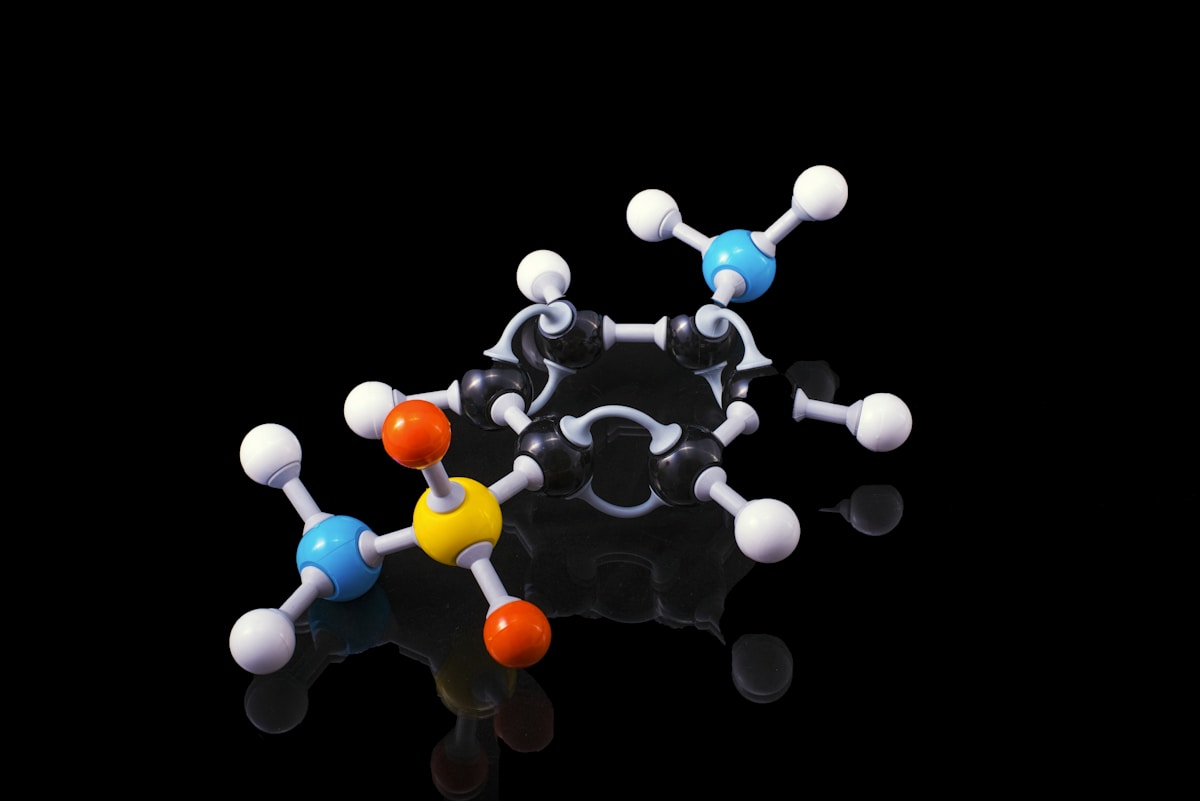
Friedel-Crafts alkylation reactions represent one of the most fundamental and versatile transformations in organic chemistry. Since their discovery in 1877 by Charles Friedel and James Crafts, these reactions have enabled chemists to forge C($\ce{sp^2}$)–C($\ce{sp^3}$) bonds through the alkylation of aromatic compounds, opening pathways to countless synthetic targets from simple alkylbenzenes to complex pharmaceutical intermediates.
Historical Significance
The Friedel-Crafts alkylation reaction revolutionized aromatic chemistry by providing direct access to alkylated aromatics, which are essential building blocks in the synthesis of dyes, pharmaceuticals, agrochemicals, and polymers.
This comprehensive guide explores the mechanisms, catalysts, modern developments, and applications of Friedel-Crafts alkylation reactions, from classical Lewis acid catalysis to cutting-edge biocatalytic approaches.
1. Fundamentals of Friedel-Crafts Alkylation
The Basic Reaction
Friedel-Crafts alkylation involves the electrophilic substitution of an aromatic ring with an alkyl group, typically using an alkyl halide as the alkylating agent and a Lewis acid as the catalyst.
The general reaction scheme is:
$$\ce{Ar-H + R-X ->[Lewis Acid] Ar-R + HX}$$
Reaction Mechanism
The mechanism proceeds through several key steps:
Step 1: Carbocation Generation
The Lewis acid coordinates with the halogen of the alkyl halide, generating a carbocation (or carbocation-like species):
$$\ce{R-X + AlCl3 <=> R+ + [AlCl3X]-}$$
For more reactive alkyl halides, a tight ion pair forms rather than a free carbocation.
Step 2: Electrophilic Attack
The carbocation attacks the electron-rich aromatic ring, forming a σ-complex (Wheland intermediate):
$$\ce{Ar-H + R+ -> [Ar(H)(R)]+}$$
This intermediate is stabilized by resonance across the aromatic system.
Step 3: Deprotonation and Rearomatization
A base (often the counterion) removes the proton, restoring aromaticity:
$$\ce{[Ar(H)(R)]+ -> Ar-R + H+}$$
The Lewis acid catalyst is regenerated through neutralization of HX.
💡 Key Mechanistic Insight
The rate-determining step is typically the carbocation formation or the electrophilic attack, depending on the substrate and conditions. Carbocation stability plays a crucial role in determining reaction success.
Limitations of Classical Friedel-Crafts Alkylation
⚠️ Important Limitations
- Polyalkylation: The product is more reactive than the starting material, leading to multiple alkylations
- Carbocation rearrangements: Primary carbocations rearrange to more stable secondary or tertiary forms
- Incompatible functional groups: Deactivating groups (NO₂, COOH, etc.) prevent the reaction
- Stoichiometric Lewis acid: Often requires >1 equivalent of catalyst
2. Traditional Catalysts and Reaction Conditions
Lewis Acid Catalysts
Classical Friedel-Crafts alkylation employs strong Lewis acids to activate alkyl halides. The most common catalysts include:
| Catalyst | Strength | Typical Loading | Advantages | Disadvantages |
|---|---|---|---|---|
| $\ce{AlCl3}$ | Very Strong | >1.0 equiv | High reactivity, widely available | Moisture sensitive, forms stable complexes |
| $\ce{FeCl3}$ | Strong | 1.0-1.5 equiv | Less moisture sensitive than AlCl₃ | Lower activity |
| $\ce{BF3}$ | Moderate | Catalytic possible | Can be catalytic with some substrates | Gaseous, requires special handling |
| $\ce{ZnCl2}$ | Moderate | 0.5-1.0 equiv | Milder conditions, better selectivity | Lower reactivity with less active substrates |
Aluminum Chloride: The Gold Standard
$\ce{AlCl3}$ remains the most widely used catalyst due to its exceptional Lewis acidity. However, its use presents several challenges:
- Forms stable complexes with products containing heteroatoms
- Requires stoichiometric or greater amounts
- Generates corrosive HCl as byproduct
- Extremely moisture sensitive
- Produces copious aluminum-containing waste
📝 Practical Consideration
When working with $\ce{AlCl3}$, anhydrous conditions are essential. Even trace moisture deactivates the catalyst and can lead to violent reactions upon workup.
Typical Reaction Conditions
Standard Friedel-Crafts alkylation conditions:
- Solvent: $\ce{CS2}$, $\ce{CCl4}$, $\ce{CH2Cl2}$, or nitrobenzene (non-nucleophilic)
- Temperature: 0°C to reflux, depending on reactivity
- Atmosphere: Anhydrous, inert (N₂ or Ar)
- Catalyst loading: 1.0-2.0 equivalents for classical Lewis acids
- Reaction time: Minutes to hours
Olah, G. A., Reddy, P., & Prakash, G. K. S. (2000). "Friedel-Crafts Reactions." DOI: 10.1002/0471238961.0618090515120108.A01
3. Modern Catalyst Developments
Solid Acid Catalysts: Green Chemistry Revolution
Solid acid catalysts represent a major advancement in making Friedel-Crafts alkylation more environmentally friendly and industrially practical.
Advantages of Solid Acid Catalysts
- Easy separation from reaction mixture by filtration
- Recyclable and reusable
- Reduced corrosion issues
- Lower environmental impact
- Continuous flow processing enabled
Types of Solid Acid Catalysts
- Zeolites: Microporous aluminosilicates with tunable acidity and shape selectivity
- Sulfated zirconia: Superacidic solid catalyst effective at low temperatures
- Heteropolyacids: Keggin-type structures with strong Brønsted acidity
- Nafion: Perfluorinated polymer with sulfonic acid groups
- Metal-organic frameworks (MOFs): Crystalline materials with Lewis acidic metal centers
Zeolite Advantages
- Shape selectivity
- High thermal stability
- Tunable pore size
- Excellent recyclability
Zeolite Limitations
- Diffusion limitations
- Deactivation by coking
- Limited to smaller molecules
- Lower activity than homogeneous catalysts
"Friedel-Crafts and related reactions catalyzed by solid acids." (2022). DOI: 10.1016/b978-0-12-817825-6.00020-3
Ionic Liquid Composite Catalysts
Ionic liquids (ILs) have emerged as versatile media and catalysts for Friedel-Crafts alkylation, offering unique advantages:
💡 Ionic Liquid Benefits
- Dual role as solvent and catalyst
- Tunable acidity through anion selection
- Low vapor pressure (reduced emissions)
- High thermal stability
- Recyclability through simple phase separation
Quaternary phosphonium salt ionic liquids have shown particular promise, enabling:
- Enhanced reaction yields compared to traditional catalysts
- Easy catalyst recovery and recycling
- Reduced environmental impact
- Lower reaction temperatures
Typical ionic liquid-catalyzed reaction:
$$\ce{ArH + RX ->[[P(R')4]+[AlCl4]-] ArR + HX}$$
Zhenyi, W., et al. (2014). "Friedel-Crafts alkylation reaction method."
Dual-Catalyst Systems
Recent innovations have introduced dual-catalyst systems that enable unprecedented selectivity and reactivity patterns.
Zinc/Camphorsulfonic Acid (CSA) System
The combination of zinc salts with camphorsulfonic acid enables direct alkylation of phenolic derivatives with unactivated secondary alcohols—a previously challenging transformation.
$$\ce{Phenol-OH + R-CH(OH)-R' ->[Zn(OTf)2/CSA] Phenol-O-CHR-R' + H2O}$$
Key Features of Zn/CSA System
- Site-selective ortho-alkylation
- No steric influence on selectivity
- Tolerates unactivated alcohols
- Water as only byproduct
- Mild reaction conditions
Pan, A., et al. (2024). "Direct phenolic alkylation of unactivated secondary alcohols by dual-zinc/CSA-catalyzed Friedel-Crafts reactions." Cell Reports Physical Science. DOI: 10.1016/j.xcrp.2024.101886
4. Asymmetric Friedel-Crafts Alkylation
The development of asymmetric variants has dramatically expanded the synthetic utility of Friedel-Crafts reactions, enabling direct access to enantioenriched aromatic compounds.
Chiral Brønsted Acid Catalysis
Chiral phosphoric acids and related Brønsted acids have emerged as powerful catalysts for enantioselective Friedel-Crafts alkylations.
Mechanism of Asymmetric Induction
The chiral Brønsted acid activates the electrophile through hydrogen bonding while simultaneously providing a chiral environment:
$$\ce{E + BH* <=> E-H-B*}$$
$$\ce{E-H-B* + ArH -> ArE* + BH*}$$
where BH* represents the chiral Brønsted acid and E is the electrophile.
Substrate Scope and Selectivity
| Arene Type | Electrophile | Typical ee | Optimal Catalyst |
|---|---|---|---|
| Indoles | Nitroalkenes | 90-99% | BINOL-phosphoric acid |
| Pyrroles | Imines | 85-95% | SPINOL-phosphoric acid |
| Electron-rich arenes | α,β-Unsaturated ketones | 80-92% | Chiral VAPOL-phosphoric acid |
| Naphthols | Alkylidene malonates | 92-98% | Sulfonimide catalysts |
💡 Design Principles
Successful asymmetric Friedel-Crafts reactions require:
- Electron-rich aromatic substrates
- Electrophiles capable of strong hydrogen bonding
- Steric bulk in catalyst to create chiral environment
- Careful optimization of solvent and temperature
You, S.-L., Cai, Q., & Zeng, M. (2009). "Chiral Bronsted acid catalyzed Friedel-Crafts alkylation reactions." Chemical Society Reviews. DOI: 10.1039/B817310A
Kang, Q., & You, S.-L. (2015). "Asymmetric Friedel-Crafts Alkylation Reactions." DOI: 10.1039/9781782621966-00214
5. Environmentally Benign Approaches
Alcohols as Alkylating Agents
The use of alcohols instead of alkyl halides represents a significant green chemistry advancement, as water is the only byproduct:
$$\ce{Ar-H + R-OH ->[Catalyst] Ar-R + H2O}$$
Advantages of Alcohol-Based Alkylation
- Water as sole byproduct (atom-economical)
- No corrosive HX generation
- Alcohols are readily available and inexpensive
- Safer handling compared to alkyl halides
- Compatible with milder catalysts
Calcium-Catalyzed Room Temperature Alkylation
A breakthrough came with the development of calcium-based catalysts that enable Friedel-Crafts alkylation with alcohols at room temperature:
$$\ce{ArH + ROH ->[Ca(NTf2)2 (5 mol\%)][\text{rt, 1-24 h}] ArR + H2O}$$
📝 Mechanistic Insight
The calcium catalyst activates the alcohol through coordination, facilitating departure of water and generating a carbocation equivalent under remarkably mild conditions.
Niggemann, M., & Meel, M. J. (2010). "Calcium-catalyzed Friedel-Crafts alkylation at room temperature." Angewandte Chemie. DOI: 10.1002/ANIE.200907227
Water as Solvent
Recent developments have demonstrated that Friedel-Crafts alkylations can proceed in aqueous media, particularly with the aid of surfactants or phase-transfer catalysts:
- Enhanced safety profile
- Simplified workup procedures
- Reduced organic solvent waste
- Often improved selectivity through hydrophobic effects
6. Biocatalytic Friedel-Crafts Reactions
The integration of enzymes into Friedel-Crafts chemistry represents a frontier in sustainable synthesis, offering exquisite selectivity under mild conditions compatible with biological systems.
Enzymatic Approaches
💡 Advantages of Biocatalysis
- Ambient temperature and pressure
- Aqueous media
- High chemo-, regio-, and enantioselectivity
- Minimal byproduct formation
- Renewable catalyst source
Enzyme Classes for Friedel-Crafts Chemistry
- Halogenases: Generate electrophilic halonium species
- Methyltransferases: Transfer methyl groups to aromatics
- Alkyltransferases: Catalyze prenylation and other alkylations
- Artificial metalloenzymes: Engineered catalysts with abiological reactivity
Challenges and Opportunities
While biocatalytic Friedel-Crafts reactions show tremendous promise, several challenges remain:
⚠️ Current Limitations
- Limited substrate scope compared to chemical methods
- Enzyme availability and cost
- Stability issues with some enzyme classes
- Difficulty with certain electrophiles
However, ongoing protein engineering efforts are rapidly expanding the capabilities of biocatalytic systems.
Leveson-Gower, R. B., & Roelfes, G. (2022). "Biocatalytic Friedel-Crafts Reactions." Chemcatchem. DOI: 10.1002/cctc.202200636
7. Applications in Biomolecular Chemistry
Friedel-Crafts alkylation has found increasing application in the modification of biomolecules, despite inherent challenges in compatibility with functional group-rich biological structures.
Nucleoside Functionalization
Direct C-H functionalization of nucleobases through Friedel-Crafts alkylation enables:
- Synthesis of modified nucleosides for antiviral/anticancer drugs
- Preparation of oligonucleotide probes
- Development of fluorescent nucleoside analogs
Carbohydrate Chemistry
Friedel-Crafts reactions enable regioselective functionalization of carbohydrates:
- Synthesis of glycosyl donors for oligosaccharide assembly
- Preparation of carbohydrate-based surfactants
- Development of glycomimetics
Protein Modification
Site-selective alkylation of aromatic amino acids (Trp, Tyr, Phe) in proteins offers:
- Bioconjugation handles for drug delivery
- Introduction of fluorescent labels
- Creation of protein-polymer conjugates
- Development of antibody-drug conjugates
📝 Key Challenge
The main challenge in biomolecular Friedel-Crafts chemistry is achieving selectivity in the presence of multiple competing functional groups while maintaining biocompatibility.
Ohata, J. (2024). "Friedel-Crafts Reactions for Biomolecular Chemistry." DOI: 10.26434/chemrxiv-2024-rd9wn
8. Industrial Applications
Friedel-Crafts alkylation reactions are workhorses of the chemical industry, with applications spanning from bulk chemicals to fine chemical synthesis.
Major Industrial Processes
| Process | Product | Application | Scale |
|---|---|---|---|
| Cumene synthesis | Isopropylbenzene | Phenol production | Multi-million tons/year |
| Ethylbenzene synthesis | Ethylbenzene | Styrene monomer | Multi-million tons/year |
| Linear alkylbenzene synthesis | LAB (C₁₀-C₁₄) | Detergent manufacture | 3-4 million tons/year |
| Alkylation of isobutane | High-octane gasoline | Fuel production | Multi-million barrels/year |
Cumene Process
The synthesis of cumene (isopropylbenzene) is one of the most important industrial Friedel-Crafts alkylations:
$$\ce{C6H6 + (CH3)2CH-OH ->[H3PO4/SiO2][\text{zeolite catalyst}] C6H5-CH(CH3)2 + H2O}$$
Modern processes use solid acid catalysts (zeolites) instead of traditional $\ce{AlCl3}$, offering:
- Continuous operation
- Higher selectivity (>99%)
- Reduced waste
- Longer catalyst lifetime
- Lower operating costs
Pharmaceutical Industry
Friedel-Crafts alkylation plays a crucial role in pharmaceutical synthesis:
- Construction of drug scaffolds
- Late-stage functionalization of complex molecules
- Synthesis of natural product analogs
- Preparation of metabolites and impurities
Economic Impact
The global market for alkylbenzenes and related Friedel-Crafts products exceeds $50 billion annually, highlighting the enormous economic importance of these reactions.
Olah, G. A., et al. (2000). "Friedel-Crafts Reactions." DOI: 10.1002/0471238961.0618090515120108.A01
9. Selectivity Considerations
Regioselectivity
The position of alkylation on aromatic rings is governed by electronic and steric factors:
Activating Groups (o/p-Directors)
- -OH, -OR
- -NH₂, -NHR, -NR₂
- -Alkyl
- -Ar
Deactivating Groups
- -NO₂ (m-director)
- -COOH, -COR (m-directors)
- -SO₃H (m-director)
- -CN (m-director)
Electronic effects can be rationalized through resonance structures of the σ-complex intermediate.
Chemoselectivity
Controlling polyalkylation remains a significant challenge. Strategies include:
- Using excess aromatic substrate
- Employing bulky alkylating agents (steric control)
- Utilizing protecting groups
- Choosing appropriate catalysts (solid acids offer better selectivity)
- Optimizing reaction temperature and time
Stereoselectivity
In asymmetric variants, stereoselectivity is achieved through:
- Chiral catalyst environment
- Hydrogen bonding networks
- Steric interactions in transition state
- π-π stacking with chiral catalyst
10. Future Directions and Emerging Trends
Photocatalytic Friedel-Crafts Alkylation
Visible light photocatalysis is emerging as a powerful tool for Friedel-Crafts chemistry:
$$\ce{ArH + RX ->[Photocatalyst][h\nu] ArR + HX}$$
💡 Photocatalytic Advantages
- Mild reaction conditions
- Enhanced functional group tolerance
- Access to radical pathways
- Reduced catalyst loading
Electrochemical Approaches
Electrochemically-driven Friedel-Crafts alkylations offer:
- External control over oxidation state
- Catalyst-free conditions possible
- Sustainable energy input
- Precise reaction control
Machine Learning and AI Optimization
Computational tools are revolutionizing reaction development:
- Prediction of optimal catalysts and conditions
- High-throughput virtual screening
- Mechanistic understanding through DFT
- Automated reaction optimization
Sustainable Chemistry Initiatives
Future developments will focus on:
- Complete replacement of toxic solvents
- Development of recyclable homogeneous catalysts
- Bio-based feedstocks and catalysts
- Carbon-neutral processes
- Waste valorization through Friedel-Crafts chemistry
Conclusion
Friedel-Crafts alkylation reactions have evolved from their classical origins into a diverse array of methodologies spanning traditional Lewis acid catalysis, asymmetric synthesis, biocatalysis, and green chemistry approaches. The development of solid acid catalysts, ionic liquids, and dual-catalyst systems has addressed many of the environmental and selectivity challenges that plagued early applications.
Key Takeaways
- Classical Friedel-Crafts alkylation remains industrially vital but faces limitations in selectivity and waste generation
- Modern catalysts (solid acids, ionic liquids, dual systems) offer improved sustainability and selectivity
- Asymmetric variants enable enantioselective synthesis of chiral aromatics
- Green approaches using alcohols and aqueous media align with sustainability goals
- Biocatalytic methods offer unprecedented selectivity for biomolecular applications
- Industrial applications span from bulk chemicals to fine pharmaceuticals
Looking ahead, the integration of photocatalysis, electrochemistry, and artificial intelligence promises to further expand the scope and sustainability of Friedel-Crafts alkylation. These classical reactions continue to find new applications in cutting-edge fields from drug discovery to materials science, demonstrating that fundamental transformations remain relevant and vital as chemistry evolves.
📝 Final Perspective
The story of Friedel-Crafts alkylation exemplifies how classical reactions can be continually refined and reinvented. From 19th-century discoveries to 21st-century sustainable chemistry, these transformations remain central to organic synthesis.
References
- "Friedel-Crafts and related reactions catalyzed by solid acids." (2022). DOI: 10.1016/b978-0-12-817825-6.00020-3
- Zhenyi, W., Xin, Z., Guoguo, W., Dongyuan, Y., Ruiying, Z., & Rui, L. (2014). "Friedel-Crafts alkylation reaction method."
- Olah, G. A., Reddy, P., & Prakash, G. K. S. (2000). "Friedel-Crafts Reactions." DOI: 10.1002/0471238961.0618090515120108.A01
- Pan, A., Nguyen, V. K., Rangel, L., Fan, C., & Kou, K. G. M. (2024). "Direct phenolic alkylation of unactivated secondary alcohols by dual-zinc/CSA-catalyzed Friedel-Crafts reactions." Cell Reports Physical Science. DOI: 10.1016/j.xcrp.2024.101886
- You, S.-L., Cai, Q., & Zeng, M. (2009). "Chiral Bronsted acid catalyzed Friedel-Crafts alkylation reactions." Chemical Society Reviews. DOI: 10.1039/B817310A
- Kang, Q., & You, S.-L. (2015). "Asymmetric Friedel-Crafts Alkylation Reactions." DOI: 10.1039/9781782621966-00214
- Ohata, J. (2024). "Friedel-Crafts Reactions for Biomolecular Chemistry." DOI: 10.26434/chemrxiv-2024-rd9wn
- Leveson-Gower, R. B., & Roelfes, G. (2022). "Biocatalytic Friedel-Crafts Reactions." Chemcatchem. DOI: 10.1002/cctc.202200636
- Niggemann, M., & Meel, M. J. (2010). "Calcium-catalyzed Friedel-Crafts alkylation at room temperature." Angewandte Chemie. DOI: 10.1002/ANIE.200907227
Keywords: #FriedelCraftsAlkylation #AromaticChemistry #Catalysis #AsymmetricSynthesis #GreenChemistry #SolidAcidCatalysts #IonicLiquids #Biocatalysis #IndustrialChemistry #OrganicSynthesis