Carbon Capture, Utilisation and Storage (CCUS): Technologies and Industrial Applications

 Carbon dioxide (CO2) emissions from industrial processes remain a critical challenge in achieving net-zero targets. Carbon Capture, Utilisation and Storage (CCUS) technology offers a pathway to reduce, capture, and either utilise or permanently sequester CO2 from point sources such as refineries, ammonia plants, cement facilities, and power generation units.


Fundamentals of CCUS

CCUS comprises three integrated stages: capture, utilisation or storage. Capture technologies include post-combustion capture (removing CO2 from flue gases), pre-combustion capture (converting fuel before combustion), and oxy-fuel combustion (burning fuel in pure oxygen). Maturity levels vary, with post-combustion capture being commercially established while emerging technologies like direct air capture (DAC) remain in pilot phases.


Capture Cost and Energy Requirements

Post-combustion capture typically costs $40-60 per tonne of CO2 for industrial sources. Energy requirements range from 3-4 GJ per tonne for solid sorbent systems to 2-3 GJ for solvent-based approaches. This energy intensity necessitates coupling with low-carbon electricity or renewable sources for net-zero alignment.

Industrial Applications

Refineries and Ammonia: Hydrogen production in ammonia synthesis generates CO2-rich shift gas; capturing 90%+ of CO2 is technically feasible. Global ammonia production (170+ million tonnes annually) represents a significant decarbonisation opportunity where CCUS could reduce emissions by 200+ million tonnes CO2 annually.

Cement and Steel: These heavy industries produce process-related CO2 from calcium carbonate decomposition, unrelated to fuel combustion. CCUS is among few mitigation pathways; emerging oxyfuel calcination and low-calcium clinker formulations show promise.

CO2 Utilisation Routes

Underground Utilisation: Enhanced Oil Recovery (EOR) remains the largest CO2 utilisation outlet globally (~150 million tonnes/year), though raising sustainability questions due to continued fossil fuel extraction.

Chemical Utilisation: CO2 as feedstock for methanol synthesis, urea production, and polycarbonate manufacturing is gaining traction. Methanol-from-CO2 offers circular benefits if coupled with green hydrogen. Current volumes remain modest (< 5 million tonnes/year) but show 15-20% annual growth.

Mineralisation: Permanent sequestration through CO2 mineralisation (converting to carbonates) offers non-reversible storage but faces scaling and cost challenges ($100-200/tonne).

Geological Storage

Permanent CO2 sequestration in depleted oil/gas fields, saline aquifers, and unmineable coal seams offers long-term storage stability. The Sleipner field (Norway) and Gorgon project (Australia) demonstrate multi-decade operational readiness. Storage capacity is estimated at 1,000+ gigatonnes globally, far exceeding near-term capture volumes.

Policy and Economics

CCUS projects require supportive policy: carbon pricing (making abatement economically attractive), tax credits, and government-backed storage liability frameworks. India's CO2 utilisation policy (2022) and similar frameworks globally are beginning to enable CCUS deployment.

Future Research Directions

Advanced sorbent and membrane materials targeting <$30/tonne capture costs; modular, digitally-enabled CCUS units for distributed deployment; and integration of CCUS with renewable energy systems for zero-carbon chemical production.


Keywords: CCUS, carbon capture, CO2 utilisation, geological storage, net-zero, decarbonisation, ammonia, refinery emissions, mineralisation, enhanced oil recovery

Future-Ready, Low-Waste Strategies to Make Your Synthetic Chemistry Truly Sustainable in 2026

Green Synthesis Methods Every Chemist Should Know in 2026

Green chemistry sustainable synthesis laboratory

As we navigate through 2026, the paradigm shift toward sustainable chemistry has become not just a choice but a necessity. Green synthesis methods are revolutionizing how we approach chemical transformations, offering pathways that minimize environmental impact while maintaining—and often enhancing—efficiency and product quality. From pharmaceutical manufacturing to industrial-scale production, these methodologies are reshaping the chemical landscape.

The Green Chemistry Imperative

The global chemical industry faces mounting pressure to reduce its environmental footprint while meeting increasing demand. Green synthesis methods offer a solution that balances sustainability with economic viability.

This comprehensive guide explores the essential green synthesis methods that every chemist should master in 2026, from innovative solvent systems to cutting-edge activation techniques powered by artificial intelligence.


1. Green Solvents and Solvent-Free Reactions

Water as a Universal Green Solvent

Water has emerged as the ultimate green solvent, offering unparalleled advantages in terms of safety, availability, and environmental compatibility. Its use in organic synthesis has expanded dramatically, particularly in pharmaceutical applications where minimizing toxic waste is critical.

💡 Advantages of Aqueous Chemistry

  • Zero toxicity and infinite availability
  • Enhanced reaction rates through hydrophobic effects
  • Simplified product isolation and purification
  • Reduced fire and explosion hazards

Key aqueous reactions include:

  • Aldol condensations in water
  • Michael additions with water-soluble catalysts
  • Diels-Alder reactions accelerated by hydrophobic effects
  • Cross-coupling reactions using water-stable catalysts

Supercritical Carbon Dioxide ($\ce{scCO2}$)

Supercritical $\ce{CO2}$ represents a paradigm shift in green solvent technology. Above its critical point (31°C, 73.8 bar), $\ce{CO2}$ exhibits liquid-like solvating power with gas-like diffusivity, making it ideal for extractions, polymerizations, and organic transformations.

The phase behavior is described by:

$$P_c = 73.8 \text{ bar}, \quad T_c = 31.1°\text{C}$$

📝 Industrial Applications

Supercritical $\ce{CO2}$ is extensively used in pharmaceutical manufacturing for drug formulation, extraction of natural products, and as a reaction medium for polymerizations.

Solvent-Free Reactions

The ultimate green approach eliminates solvents entirely. Solvent-free reactions significantly reduce waste generation and energy consumption, making them particularly attractive for industrial-scale processes.

Examples of Solvent-Free Reactions
  • Knoevenagel condensation: Solid-state reaction between aldehydes and active methylene compounds
  • Diels-Alder cycloadditions: Neat reactions at elevated temperatures
  • Esterifications: Direct reaction of carboxylic acids with alcohols
  • Multicomponent reactions: One-pot synthesis without solvent media

Khetre, A., Ghadi, F., Nitave, S., & Patil, V. C. (2025). "Beyond Traditional Chemistry: Pioneering Green Synthesis in Pharmaceuticals." Journal of Medicine and Health Research. DOI: 10.56557/jomahr/2025/v10i29743


2. Advanced Catalysis: The Green Chemistry Cornerstone

Recyclable Catalysts

The development of recyclable catalysts represents a major advance in sustainable synthesis. These catalysts can be recovered and reused multiple times, dramatically reducing waste and resource consumption.

Catalyst Type Recovery Method Typical Cycles Applications
Heterogeneous Pd/C Filtration 5-10 Hydrogenations, C-C coupling
Immobilized enzymes Magnetic separation 10-20 Chiral synthesis
Ionic liquid catalysts Phase separation 15-30 Alkylations, acylations
Metal-organic frameworks Centrifugation 8-15 Oxidations, condensations

Biocatalysis: Nature's Green Chemistry

Enzymatic catalysis offers unparalleled selectivity and operates under mild conditions, minimizing energy input and hazardous by-product formation. Biocatalysts are revolutionizing pharmaceutical synthesis by enabling transformations that are difficult or impossible with traditional chemistry.

L-Leucine (Product of enzymatic synthesis)

Key advantages of biocatalysis:

  • Exceptional enantioselectivity (enantiomeric excess often $>$ 99%)
  • Ambient temperature and pressure operation
  • Aqueous media compatibility
  • High functional group tolerance
  • Reduced protection-deprotection steps

⚠️ Enzyme Engineering

Directed evolution and computational design are rapidly expanding the substrate scope and stability of biocatalysts, making them increasingly practical for industrial applications.

Organocatalysis: Metal-Free Green Catalysis

Organocatalysts—small organic molecules that catalyze reactions without metals—have emerged as a powerful tool in sustainable synthesis. They offer several green chemistry advantages:

  • No toxic metal contamination in products
  • Often derived from renewable resources (amino acids, sugars)
  • Air and moisture stable
  • Low cost and high availability

Classic organocatalytic reactions include:

$$\ce{R-CHO + R'-CH2-CO2Et ->[Proline (20 mol\%)] R-CH(OH)-CHR'-CO2Et}$$

Pathak, V. (2022). "Progress in Green Chemistry: Sustainable Approaches in Organic Synthesis." International Journal for Research Publication and Seminar. DOI: 10.36676/jrps.v13.i5.1633


3. Nontraditional Activation Methods

Microwave-Assisted Synthesis

Microwave irradiation has transformed synthetic chemistry by providing rapid, uniform heating that dramatically accelerates reaction rates while reducing energy consumption. The technology is now standard in both research and industrial settings.

💡 Microwave Advantages

  • Reaction times reduced from hours to minutes
  • Higher yields and improved selectivity
  • Energy savings of 30-50% compared to conventional heating
  • Reduced side product formation

The heating mechanism follows:

$$P = 2\pi f \epsilon_0 \epsilon'' E^2$$

where $P$ is power absorption, $f$ is frequency, $\epsilon''$ is the dielectric loss, and $E$ is the electric field strength.

Key Applications

Aldol Condensation under Microwave Irradiation

$$\ce{R-CHO + R'-CH2-COR'' ->[Base][MW, 5 min] R-CH=CR'-COR''}$$

Traditional heating: 2-8 hours at reflux
Microwave heating: 5-15 minutes at 120°C
Yield improvement: 15-25%

Mannich Reaction

$$\ce{R-CHO + R'-NH2 + R''-CH2-COR''' ->[MW] R-CH(NHR')-CHR''-COR'''}$$

Reaction time: 10-20 minutes
Yield: 75-95%
Energy consumption: Reduced by 40%

Ultrasonic and Sonochemical Methods

Ultrasound provides a unique activation method through acoustic cavitation—the formation, growth, and implosive collapse of bubbles in liquids. This generates localized hot spots with temperatures exceeding 5000 K and pressures above 1000 atm.

The cavitation process creates highly reactive conditions:

$$\ce{H2O ->[)))] H· + ·OH}$$

Advantages

  • Enhanced mass transfer
  • Accelerated reactions (2-100x faster)
  • Improved particle size control
  • Activation of inert reactants

Applications

  • Organic synthesis
  • Nanomaterial preparation
  • Polymer degradation
  • Crystallization control

Photocatalysis: Light-Driven Green Synthesis

Photocatalysis harnesses light energy to drive chemical transformations, eliminating the need for harsh reagents and high temperatures. This approach has seen explosive growth in recent years.

The basic photocatalytic cycle involves:

$$\ce{PC ->[h\nu] PC*}$$

$$\ce{PC* + Substrate -> PC·+ + Substrate·-}$$

$$\ce{Substrate·- -> Product}$$

2025-2026 Advances

Visible-light photocatalysis using organic dyes and earth-abundant metal complexes has replaced expensive iridium and ruthenium catalysts in many applications, significantly improving the green chemistry profile.

Electrosynthesis: Electrons as Reagents

Electrochemical synthesis uses electrical current to drive oxidation and reduction reactions, replacing toxic chemical oxidants and reductants with clean electrons.

Faraday's laws govern the process:

$$m = \frac{Q \cdot M}{n \cdot F} = \frac{I \cdot t \cdot M}{n \cdot F}$$

where $m$ is mass, $Q$ is charge, $M$ is molar mass, $n$ is electron number, and $F$ is Faraday's constant.

Ali, S. K., et al. (2024). "Electrochemical and Photocatalytic Synthesis of Organic Compounds Utilizing a Greener Approach: A review." Molecular Catalysis. DOI: 10.1016/j.mcat.2024.114087


4. Mechanochemistry and Grinding

Mechanochemistry—the use of mechanical force to induce chemical reactions—represents one of the most radical departures from traditional solution-phase chemistry. By grinding solid reactants together, chemists can completely eliminate solvents while often achieving superior results.

Benzoic Acid

Mechanisms of Mechanochemical Activation

Mechanical energy induces reactions through:

  • Hot spot formation: Localized temperature spikes at contact points
  • Defect creation: Crystal defects increase reactivity
  • Amorphization: Conversion to high-energy amorphous phases
  • Mechanical mixing: Intimate contact between reactants at molecular level

💡 Green Metrics

Mechanochemical reactions often achieve:

  • E-factor < 1 (minimal waste generation)
  • Atom economy > 90%
  • Energy consumption reduced by 60-80%
  • Zero solvent waste

Industrial Applications

Mechanochemistry is finding increasing use in:

  • Pharmaceutical cocrystal formation
  • Metal-organic framework (MOF) synthesis
  • Organometallic complex preparation
  • Polymer modification and recycling

Kumar, V. (2024). "Eco-Friendly Approaches to Chemical Synthesis." DOI: 10.9734/bpi/mono/978-81-970279-3-2/ch2


5. Process Intensification and Digital Tools

Flow Chemistry: Continuous Processing for Green Synthesis

Flow chemistry—conducting reactions in continuously flowing streams rather than batch reactors—offers transformative advantages for sustainable manufacturing.

Parameter Batch Process Flow Process
Safety Large hazardous volumes Small hold-up volumes
Heat transfer Limited by vessel size Excellent (high surface/volume)
Mixing Scale-dependent Rapid, consistent
Scale-up Complex, risky Numbering up (straightforward)
Optimization Time-consuming Rapid parameter screening

Pharmaceutical Impact

Flow chemistry enables on-demand drug manufacturing, reducing inventory costs, improving quality control, and accelerating response to medical emergencies.

Artificial Intelligence and Machine Learning

The integration of AI and digital tools is revolutionizing green chemistry by optimizing synthetic routes, predicting reaction outcomes, and identifying sustainable alternatives.

Key AI Applications in Green Chemistry:

  • Retrosynthetic planning: AI algorithms identify greener synthetic routes
  • Reaction prediction: Machine learning models predict yields and selectivities
  • Process optimization: Automated optimization of reaction conditions
  • Solvent selection: AI-guided selection of green solvent systems
  • Catalyst design: Computational screening of catalyst candidates

📝 2026 Trend

Self-optimizing flow reactors coupled with AI are enabling autonomous laboratories that continuously improve reaction conditions for maximum sustainability and efficiency.

Digital Twins and Process Modeling

Digital twins—virtual replicas of chemical processes—allow chemists to test modifications and optimizations in silico before implementation, reducing experimental waste and accelerating development.

Khetre, A., et al. (2025). "Beyond Traditional Chemistry: Pioneering Green Synthesis in Pharmaceuticals." Journal of Medicine and Health Research. DOI: 10.56557/jomahr/2025/v10i29743


Challenges and Future Directions

⚠️ Implementation Barriers

Despite tremendous progress, several challenges remain in the widespread adoption of green synthesis methods:

Technical Challenges

  • Catalyst Scalability: Many green catalysts perform excellently at lab scale but face challenges in industrial-scale implementation
  • Substrate Scope: Some green methods have limited applicability to diverse molecular architectures
  • Process Integration: Retrofitting existing facilities for green technologies requires significant capital investment

Regulatory and Economic Factors

  • Regulatory Compliance: New green methods must navigate complex approval processes
  • Economic Feasibility: Initial costs of green technology adoption can be prohibitive
  • Supply Chain Issues: Green solvents and catalysts may have limited availability

The Pharmaceutical Paradox

The pharmaceutical industry faces a unique challenge: the need for inexpensive medications often conflicts with green chemistry principles. Active pharmaceutical ingredients (APIs) are frequently complex molecules requiring multi-step syntheses, making green approaches more difficult to implement.

💡 Opportunities for Innovation

This paradox drives innovation in:

  • Continuous manufacturing reducing waste
  • Biocatalytic routes to complex molecules
  • Flow chemistry for hazardous transformations
  • AI-optimized synthetic routes

Looking Forward: Green Chemistry in 2026 and Beyond

As we progress through 2026, several trends are shaping the future of green synthesis:

1. Convergence of Technologies

The most exciting developments arise from combining multiple green approaches—for example, biocatalysis in flow reactors, mechanochemistry with photocatalysis, or AI-optimized electrochemical processes.

2. Circular Chemistry

Moving beyond minimizing waste to eliminating it entirely through complete material recycling and cascade reactions where by-products become feedstocks for subsequent processes.

3. Decentralized Manufacturing

Flow chemistry and modular reactors enable localized production, reducing transportation emissions and improving supply chain resilience.

4. Nature-Inspired Synthesis

Biomimetic approaches that replicate nature's efficient, selective, and sustainable synthetic strategies under ambient conditions.

The Green Chemistry Toolbox of 2026

Every chemist should be proficient in:

  • ✓ Aqueous and solvent-free synthesis
  • ✓ Biocatalytic transformations
  • ✓ Microwave and ultrasound activation
  • ✓ Photochemical and electrochemical methods
  • ✓ Flow chemistry principles
  • ✓ AI-assisted route planning
  • ✓ Green metrics calculation
  • ✓ Life cycle assessment

Conclusion

Green synthesis methods have evolved from niche curiosities to mainstream necessities in modern chemistry. The techniques described here—from water-based reactions and recyclable catalysts to AI-driven optimization—represent the essential toolkit for chemists navigating the sustainability challenges of 2026 and beyond.

The transition to green chemistry is not merely an environmental imperative but an opportunity for innovation. By embracing these methods, chemists can develop more efficient processes, discover new reactivity, and contribute to a sustainable future while maintaining the high standards of selectivity and yield that chemistry demands.

💡 Key Takeaway

Mastery of green synthesis methods is no longer optional—it is essential for every practicing chemist. These approaches will define the next generation of chemical innovation, from pharmaceuticals to materials science.


References

  1. Khetre, A., Ghadi, F., Nitave, S., & Patil, V. C. (2025). "Beyond Traditional Chemistry: Pioneering Green Synthesis in Pharmaceuticals." Journal of Medicine and Health Research. DOI: 10.56557/jomahr/2025/v10i29743
  2. Pathak, V. (2022). "Progress in Green Chemistry: Sustainable Approaches in Organic Synthesis." International Journal for Research Publication and Seminar. DOI: 10.36676/jrps.v13.i5.1633
  3. Ahluwalia, V. K., & Kidwai, M. (2004). "Synthesis Involving Basic Principles of Green Chemistry: Some examples." DOI: 10.1007/978-1-4020-3175-5_15
  4. "Green synthetic methods in drug discovery and development." (2022). DOI: 10.1016/b978-0-12-822248-5.00015-2
  5. Jain, A. Kr., & Singla, R. K. (2011). "An Overview Of Microwave Assisted Technique: Green Synthesis."
  6. Kumar, V. (2024). "Eco-Friendly Approaches to Chemical Synthesis." DOI: 10.9734/bpi/mono/978-81-970279-3-2/ch2
  7. Rafique, H., Hussain, N., Saeed, M., & Bilal, M. (2023). "Green Approaches in Conventional Drug Synthesis." DOI: 10.1002/9781119889878.ch2
  8. Ali, S. K., Althikrallah, H. A., Alluhaibi, M. S., Hawsawi, M. B., Hakami, O., Shariq, M., & Hassan, D. A. (2024). "Electrochemical and Photocatalytic Synthesis of Organic Compounds Utilizing a Greener Approach: A review." Molecular Catalysis. DOI: 10.1016/j.mcat.2024.114087
  9. Mei, L. (2002). "Green chemistry in organic syntheses." Journal of Zhejiang University of Technology.

Keywords: #GreenChemistry #SustainableSynthesis #BioCatalysis #FlowChemistry #Photocatalysis #Electrosynthesis #Mechanochemistry #SolventFreeReactions #GreenSolvents #OrganoCatalysis #MicrowaveSynthesis #ArtificialIntelligence

Author: Dr. Kuldeep Singh
Blog: blog.orgsyn.in
Date: January 1, 2026

Green Hydrogen Production: From Water Electrolysis to Industrial Scale

Green hydrogen is hydrogen gas (H2) produced from renewable energy sources such as solar, wind, or hydropower through water electrolysis. Unlike grey hydrogen (from natural gas via steam reforming) and blue hydrogen (with carbon capture), green hydrogen offers zero direct CO2 emissions, making it a critical enabler of net-zero pathways across refineries, fertilizer production, steelmaking, and mobility.

Core Concepts

Water Electrolysis: The process splits water (H2O) using electricity: 2H2O + electricity → 2H2 + O2. Electrolyzer types include Polymer Electrolyte Membrane (PEM), Alkaline, and Solid Oxide Electrolyzers (SOEC), each with different efficiency and operational characteristics.

Current Cost vs. Targets: Green hydrogen currently costs $4-8 per kg; targets by 2030 are $2-3/kg to achieve cost parity with grey hydrogen in energy-intensive applications.


Electrolyzer Technology & Efficiency: PEM electrolyzers operate at 55-65% electrical efficiency and support dynamic operation aligned with variable renewable supply. Alkaline electrolyzers (65-75% efficiency) are more mature and cost-effective but less flexible. SOEC technology (up to 80-90% at higher temperatures) is in demonstration phase.


Renewable-to-H2 Systems: Integration requires co-locating electrolysers with renewable power plants (solar/wind) or connecting to grids with high renewable penetration. Power-to-Hydrogen (P2H) concepts are emerging in Europe, India, and the Middle East.


Demand Pull: Industrial hydrogen demand is ~75 million tonnes annually; replacing grey hydrogen in refineries (40% of use) and ammonia synthesis (50% of use) represents ~60 million tonnes of potential green H2 displacement.


Policy & Investment: India's National Green Hydrogen Mission (2022) targets 5 MMT of green hydrogen and 125 GW dedicated renewable capacity by 2030. EU, Japan, South Korea also announced ambitious targets.

Research Frontiers

Anode & Cathode Materials: Novel catalysts (e.g., non-precious metal catalysts) and electrode architectures to reduce capital costs of electrolysers by 50-70%.


Thermochemical Water Splitting: High-temperature solar concentrators paired with cyclic redox reactions to produce hydrogen directly without intermediate electricity; efficiency potential of 25-50%.


Proton Exchange Membrane (PEM) Durability: Operating lifetimes of 50,000+ hours under cycling conditions require advances in ionomer and catalyst layer stability.


Hybrid Systems: Coupling electrolysis with algae or biomass gasification for consolidated green hydrogen + biochar or bio-products.


Conclusion

Green hydrogen represents a pivotal decarbonisation lever for heavy industry, with PEM and alkaline technologies mature enough for commercial deployment. Cost reduction and renewable-to-hydrogen integration will define the transition trajectory.

Keywords: Green hydrogen, water electrolysis, renewable energy, PEM electrolyzer, alkaline electrolyzer, net-zero hydrogen, decarbonisation, industrial hydrogen

Sustainable Aviation Fuel (SAF) Scale-up: From Lab to Commercial Aviation

Aviation accounts for approximately 2-3% of global CO2 emissions. Sustainable Aviation Fuel (SAF) represents a critical pathway to decarbonise the sector and achieve net-zero targets by 2050. SAF is a drop-in replacement for conventional jet fuel (Jet A-1) produced from sustainable feedstocks including waste oils, agricultural residues, and synthetic pathways.


Key Concepts


SAF can be produced through multiple pathways: HEFA (Hydroprocessed Esters and Fatty Acids), ATJ (Alcohol-to-Jet), and Power-to-Liquids (PtL). Each pathway involves different feedstock-to-fuel conversion chemistry with varying maturity levels. HEFA technology is the most commercially mature, while ATJ and PtL remain in pilot and early-commercial phases.

HEFA Technology: The HEFA process hydroprocesses used cooking oils and other lipids, removing oxygen and producing hydrocarbons equivalent to conventional jet fuel. This pathway can reduce lifecycle greenhouse gas (GHG) emissions by 50-80% compared to fossil jet fuel.

ATJ Technology: Alcohol-to-Jet converts ethanol (from biomass or bio-based routes) via dehydration, oligomerisation, and hydrogenation. The process offers flexibility in feedstock sourcing but requires careful control of intermediate product quality.

Power-to-Liquids: Synthetic pathways combining hydrogen (from renewable electricity) and CO2 (from capture or biomass) to produce SAF. This pathway shows promise for hard-to-abate sectors but faces scaling challenges.


Policy & Market: Global SAF demand is expected to reach 6-10 million tonnes annually by 2030, driven by regulatory mandates (ICAO's Carbon Offsetting and Reduction Scheme for International Aviation) and corporate net-zero commitments. SAF currently costs 2-3x more than conventional jet fuel, requiring investment in scale and R&D.


Applications & Research Frontiers 


Co-processing SAF production within existing refinery infrastructure offers capital efficiency advantages but requires compatibility assessments with existing hydrotreating units.


Advanced sustainability metrics beyond GHG accounting: Life cycle assessment (LCA) frameworks increasingly incorporate water stress, biodiversity impact, and social criteria for feedstock sourcing.


Engine performance and compatibility testing remains critical—SAF blends up to 50% are already approved, with research ongoing to achieve higher concentrations and improve lubricity characteristics.


Feedstock diversification strategies are essential: advanced feedstocks (algae, synthetic biology routes) under development to reduce pressure on traditional biomass supplies.


Conclusion


SAF represents a tangible near-term solution for aviation decarbonisation, with HEFA established and ATJ/PtL emerging. Success requires integrated efforts across policy, infrastructure investment, and feedstock development.


Keywords: Sustainable Aviation Fuel, SAF, HEFA, Alcohol-to-Jet, aviation decarbonisation, net-zero, renewable fuels, biofuels, lifecycle assessment

The Wurtz Reaction: Coupling Alkyl Halides to Form C-C Bonds

Introduction

The Wurtz reaction is a fundamental organic transformation that enables the formation of new carbon-carbon bonds through the coupling of alkyl halides with sodium metal. This classical reaction, discovered by Charles-Adolphe Wurtz in 1855, remains an important tool in synthetic organic chemistry, particularly for the synthesis of alkanes and the construction of larger carbon frameworks.

Definition and Overview

The Wurtz reaction is defined as the coupling of two alkyl halides mediated by sodium metal:

$$2 \text{R-X} + 2 \text{Na} \rightarrow \text{R-R} + 2 \text{NaX}$$

Where:

  • R = alkyl group
  • X = halogen (Cl, Br, or I)
  • Na = sodium metal

Mechanism

The Wurtz reaction proceeds through a radical mechanism involving two main steps:

Step 1: Formation of Alkyl Radical

Sodium metal transfers an electron to the alkyl halide:

$$\text{R-X} + \text{Na} \rightarrow \text{R}^{\bullet} + \text{Na}^{+}\text{X}^{-}$$

Step 2: Carbon-Carbon Bond Formation

Two alkyl radicals couple to form the new C-C bond:

$$\text{R}^{\bullet} + \text{R}^{\bullet} \rightarrow \text{R-R}$$

Practical Examples

Example 1: Formation of Butane

The coupling of two ethyl bromide molecules:

$$2 \text{CH}_{3}\text{CH}_{2}\text{Br} + 2 \text{Na} \rightarrow \text{CH}_{3}\text{CH}_{2}\text{CH}_{2}\text{CH}_{3} + 2 \text{NaBr}$$

SMILES representation:

  • Reactant (Ethyl bromide): div data-smiles="CCBr"
  • Product (n-Butane): CCCC
  • Reaction Conditions

    • Temperature: Room temperature to mild heating
    • Solvent: Anhydrous ether or other aprotic solvents
    • Reagent: Freshly cut sodium metal
    • Atmosphere: Inert (N₂ or Ar)
    • Time: 2-24 hours

    Advantages

    • Simple and straightforward procedure
    • Good yields for primary alkyl halides
    • Direct carbon-carbon bond formation
    • Classic synthetic method with well-documented protocols

    Limitations

    1. Selectivity issues - Asymmetric couplings produce mixtures
    2. Beta-hydrogen elimination - Produces alkene side products
    3. Steric effects - Bulky groups reduce reactivity
    4. Hazardous - Requires handling reactive sodium metal
    5. Functional group incompatibility - Cannot tolerate polar groups

    Conclusion

    The Wurtz reaction remains a significant milestone in organic chemistry history, exemplifying the principles of radical chemistry and carbon-carbon bond formation. While modern cross-coupling reactions have largely superseded it in practical synthesis, the Wurtz reaction continues to hold educational value for understanding:

    • Radical reaction mechanisms
    • The role of electron transfer in carbon-carbon bond formation
    • Historical development of synthetic organic chemistry
    • Alternative approaches to molecular synthesis

    Keywords: Wurtz reaction, alkyl halide, sodium metal, carbon-carbon coupling, radical mechanism, organic synthesis, classical reactions


    This comprehensive guide covers the Wurtz reaction with chemical equations (LaTeX), molecular structures (SMILES notation), and proper HTML formatting for optimal readability.

    Top 10 Organic Chemistry Breakthroughs of 2025
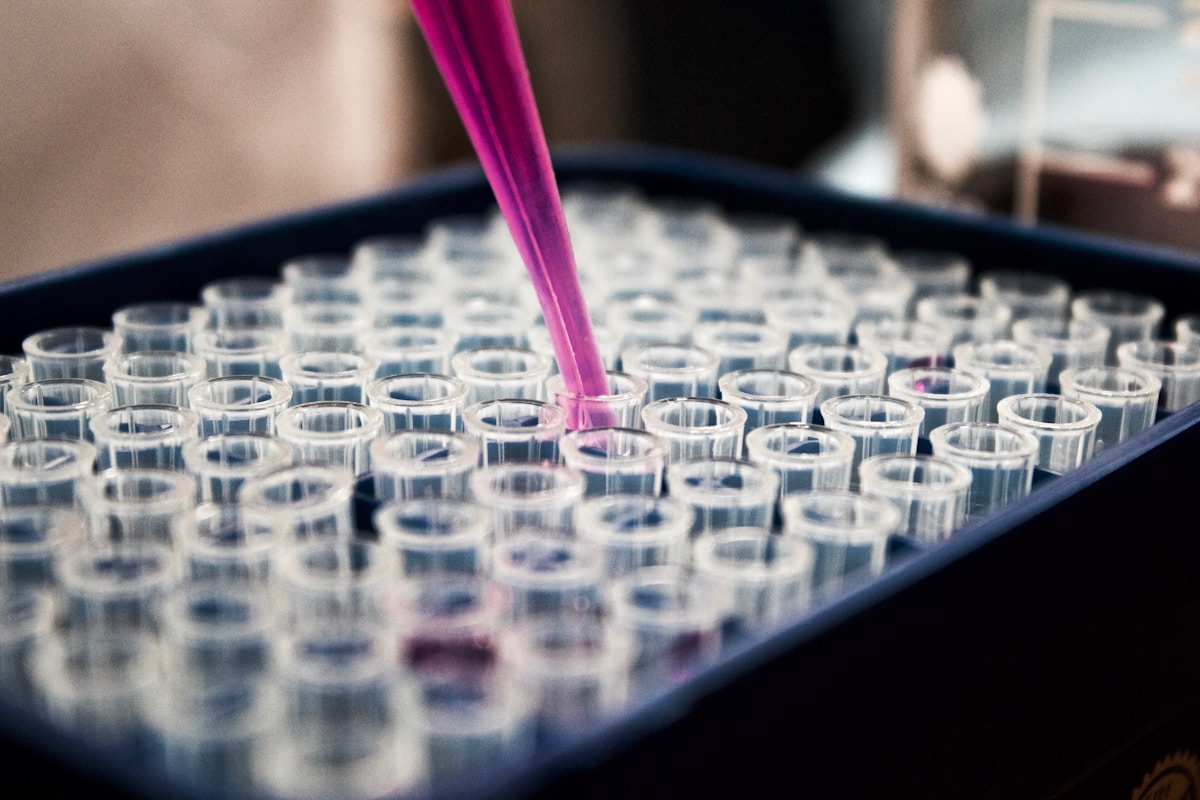
    Top 10 Organic Chemistry Breakthroughs of 2025

    Organic chemistry laboratory research

    As we approach the end of 2025, the field of organic chemistry has witnessed remarkable advances that are reshaping how we design molecules, synthesize pharmaceuticals, and address global challenges. From revolutionary metal-organic frameworks that earned the Nobel Prize to groundbreaking skeletal editing techniques, this year has been transformative. Here are the top 10 organic chemistry breakthroughs of 2025.


    1. Nobel Prize: Metal-Organic Frameworks Revolution

    The 2025 Nobel Prize in Chemistry recognized Susumu Kitagawa, Richard Robson, and Omar Yaghi for their pioneering work in developing metal-organic frameworks (MOFs). These crystalline materials feature metal ions connected by organic molecules, creating structures with large cavities that can capture and store specific substances.

    💡 Key Innovation

    MOFs can harvest water from desert air, capture carbon dioxide, store toxic gases, and catalyze chemical reactions with unprecedented selectivity.

    In 1998, Yaghi and coworkers demonstrated that a framework based on $\ce{Zn^{II}}$ and 1,4-benzenedicarboxylate displayed permanent microporosity with specific surface areas of approximately 300 m²/g. This breakthrough opened the door to designing porous materials with tailored properties for gas storage, separation, and catalysis.

    Nobel Committee for Chemistry (2025). "Metal-Organic Frameworks." Scientific Background to the Nobel Prize in Chemistry 2025. The Royal Swedish Academy of Sciences.


    2. Skeletal Editing: The Cut-and-Paste Chemistry Revolution

    Skeletal editing emerged as one of the hottest trends in organic chemistry this year, enabling chemists to insert, delete, or swap single atoms within complex molecular frameworks. This "molecular surgery" allows researchers to fine-tune drug candidates without rebuilding molecules from scratch.

    Mark Levin at the University of Chicago and Richmond Sarpong at UC Berkeley coined the term and pioneered methods for these transformations. In 2025, numerous groups reported breakthroughs in nitrogen insertion, carbon deletion, and atom swapping reactions.

    Impact on Drug Discovery

    Skeletal editing could save weeks of synthetic effort in pharmaceutical development by allowing direct modification of molecular cores to optimize biological activity.

    One notable advance came from Indrajeet Sharma's group at the University of Oklahoma, who published methods for nitrogen and carbon insertion into pyrroles, indoles, and imidazoles. This work is now being applied to DNA-encoded library drug discovery in collaboration with Baylor University.

    Sharma, R., et al. (2025). "Remodelling molecular frameworks via atom-level surgery: recent advances in skeletal editing of (hetero)cycles." Organic Chemistry Frontiers. DOI: 10.1039/D4QO02157F


    3. Copper-Catalyzed C5-H Functionalization of Indoles

    Researchers at Chiba University achieved a major breakthrough in indole chemistry by developing a copper-catalyzed method for selective C5-H alkylation. Led by Associate Professor Shingo Harada, the team achieved yields up to 91% using an affordable copper-silver catalyst system.

    Indole Core Structure

    The reaction uses highly reactive carbenes and operates through a unique C4-C5 rearrangement mechanism:

    $$\ce{Indole + Carbene ->[Cu(OAc)2·H2O/AgSbF6] C5-Alkylated Product}$$

    📝 Significance

    Since 2015, the FDA has approved 14 indole-based drugs for conditions including migraines, infections, and hypertension. This new method provides a cost-effective route to modify these important pharmaceutical scaffolds.

    Isono, T., Harada, S., Yanagawa, M., & Nemoto, T. (2025). "Copper-catalyzed direct regioselective C5–H alkylation reactions of functionalized indoles with α-diazomalonates." Chemical Science, 16(33), 14967. DOI: 10.1039/D5SC03417E


    4. Hypervalent Iodine: Green Chemistry's New Champion

    A comprehensive review by Professors Toshifumi Dohi and Yasuyuki Kita from Ritsumeikan University highlighted the transformative potential of hypervalent iodine-mediated coupling reactions as sustainable alternatives to traditional transition metal catalysis.

    By manipulating the oxidation state of iodine atoms, researchers can generate aryl cation-like species, radicals, and aryne precursors that facilitate selective bond formation without relying on costly rare metal catalysts.

    Traditional Methods

    • Expensive Pd, Pt catalysts
    • Metal waste generation
    • Lower atom economy

    Hypervalent Iodine

    • Earth-abundant iodine
    • Reduced waste
    • High selectivity

    Dohi, T., & Kita, Y. (2025). "Iodoarene Activation: Take a Leap Forward toward Green and Sustainable Transformations." Chemical Reviews, 125(6). DOI: 10.1021/acs.chemrev


    5. Semi-Artificial Leaf: CO₂ to Fuel Conversion

    Cambridge researchers led by Professor Erwin Reisner developed a revolutionary "artificial leaf" that combines organic semiconductors with bacterial enzymes to convert sunlight, water, and $\ce{CO2}$ into formate—a clean fuel for chemical synthesis.

    This biohybrid device represents the first use of organic semiconductors as the light-capturing component in such systems, offering a non-toxic, tunable alternative to traditional photocatalysts.

    The key reactions are:

    $$\ce{2H2O ->[h\nu] 2H2 + O2}$$

    $$\ce{CO2 + 2H+ + 2e- -> HCOO-}$$

    ⚠️ Industrial Impact

    The chemical industry produces approximately 6% of global carbon emissions. This technology could help "de-fossilize" chemical manufacturing.

    Yeung, C.W.S., et al. (2025). "Semi-artificial leaf interfacing organic semiconductors and enzymes for solar chemical synthesis." Joule. DOI: 10.1016/j.joule.2025.102165


    6. Iron Photocatalysis: Concurrent CO₂ Reduction and Organic Synthesis

    Chinese researchers reported a groundbreaking iron(II) molecular photocatalyst that independently executes $\ce{CO2}$ reduction without requiring separate photosensitizers—a long-standing challenge in the field.

    The polypyridyl iron complex $\ce{FePAbipyBn}$ achieved a turnover number (TON) of 3,558 for CO production with selectivity exceeding 99%. More remarkably, it simultaneously facilitates enamine oxidation and $\ce{CO2}$ reduction, producing indoles and CO as value-added products.

    $$\ce{CO2 + Enamine ->[Fe^{II} Photocatalyst][h\nu] Indole + CO}$$

    First-of-Its-Kind Achievement

    This represents the inaugural instance of a photoredox reaction coupling $\ce{CO2}$ reduction with organic synthesis using a single molecular photocatalyst.

    Guo, K., et al. (2025). "A Highly Efficient Molecular Iron(II) Photocatalyst for Concurrent CO₂ Reduction and Organic Synthesis." Journal of the American Chemical Society, 147(19), 15942-15946. DOI: 10.1021/jacs.5c01698


    7. Transition Metal-Free Coupling Reactions

    The movement toward sustainable organic synthesis accelerated in 2025 with numerous reports of transition metal-free coupling methods. These approaches align with green chemistry principles by minimizing waste, reducing reliance on rare metals, and lowering energy consumption.

    Key advances included:

    • Hypervalent iodine-mediated aryl-aryl couplings
    • Organocatalytic C-H functionalization
    • Photochemical coupling reactions without metal catalysts

    💡 Green Chemistry Metrics

    These methods significantly improve atom economy and reduce E-factors (environmental waste factors) compared to traditional palladium-catalyzed cross-couplings.


    8. MXenes for Ammonia Synthesis from Air

    Researchers explored MXenes—two-dimensional materials—as promising catalysts for transforming air into ammonia for cleaner fertilizers and fuels. These materials offer tunable atomic structures that can be optimized for nitrogen fixation.

    The nitrogen reduction reaction proceeds as:

    $$\ce{N2 + 6H+ + 6e- -> 2NH3}$$

    MXenes provide a more affordable alternative to traditional Haber-Bosch processes and expensive ruthenium catalysts, potentially revolutionizing sustainable ammonia production.

    Science Daily (November 2025). "New 2D Material Transforms Air Into Fuel and Fertilizer."


    9. Photoelectrocatalytic Fluoroalkylation with Iron

    A resource-economic photoelectrocatalysis strategy enabled versatile direct fluoroalkylations catalyzed by earth-abundant iron, paired with the hydrogen evolution reaction (HER). This approach proved amenable to late-stage C-H fluoroalkylations of bio-relevant heterocycles.

    The synergistic combination of photoexcitation with electron transfer by anodic oxidation creates unique potential for novel reaction manifolds that go beyond individual photo- or electrochemistry.

    📝 Advantages

    The method eliminates the need for expensive photocatalysts or stoichiometric chemical oxidants while enabling extreme redox potentials under mild conditions.

    Motornov, V., et al. (2025). "Photoelectrochemical Iron(III) Catalysis for Late-Stage C-H Fluoroalkylations." Angewandte Chemie International Edition, 64(25), e202504143. DOI: 10.1002/anie.202504143


    10. Molecular Antennas for Lanthanide LED Breakthrough

    Cambridge scientists discovered how to electrically power insulating nanoparticles using organic molecules as "molecular antennas." This breakthrough enabled the creation of ultra-pure near-infrared LEDs from lanthanide-doped nanoparticles—previously thought impossible.

    The organic antenna molecules trap charge carriers and harvest "dark" molecular triplet excitons, directing electrical energy into the insulating materials. These LEDs generate extremely pure near-infrared light ideal for medical diagnostics and optical communications.

    Versatile Platform

    The fundamental principle allows exploration of countless combinations of organic molecules and insulating nanomaterials, enabling devices with tailored properties for unimagined applications.

    Yu, Z., et al. (2025). "Triplets electrically turn on insulating lanthanide-doped nanoparticles." Nature, 647(8090), 625. DOI: 10.1038/s41586-025-09601-y


    Conclusion: A Transformative Year for Organic Chemistry

    The breakthroughs of 2025 reflect organic chemistry's evolution toward greater sustainability, precision, and interdisciplinary integration. From Nobel Prize-winning MOFs to molecular surgery techniques, earth-abundant metal catalysis to bio-inspired photosynthesis, these advances are laying the groundwork for next-generation pharmaceuticals, clean energy technologies, and sustainable chemical manufacturing.

    💡 Looking Forward

    As we move into 2026, the convergence of artificial intelligence with these synthetic methodologies promises to accelerate discovery even further, potentially revolutionizing how we design and synthesize molecules.

    The field stands at an exciting crossroads where fundamental discoveries in reactivity meet urgent global challenges in sustainability and healthcare. These top 10 breakthroughs exemplify the creativity, innovation, and problem-solving capacity of the organic chemistry community.


    References

    The Nobel Committee for Chemistry. (2025). *Scientific background: Metal-organic frameworks*. The Royal Swedish Academy of Sciences. Sharma, R., Arisawa, M., Takizawa, S., & Salem, M. S. H. (2025). Remodelling molecular frameworks via atom-level surgery: Recent advances in skeletal editing of (hetero)cycles. *Organic Chemistry Frontiers*. https://doi.org/10.1039/D4QO02157F Isono, T., Harada, S., Yanagawa, M., & Nemoto, T. (2025). Copper-catalyzed direct regioselective C5–H alkylation reactions of functionalized indoles with α-diazomalonates. *Chemical Science, 16*(33), 14967. https://doi.org/10.1039/D5SC03417E Dohi, T., & Kita, Y. (2025). Iodoarene activation: Take a leap forward toward green and sustainable transformations. *Chemical Reviews, 125*(6), 3440–3550. https://doi.org/10.1021/acs.chemrev.4c00808[1] Yeung, C. W. S., Liu, Y., Vahey, D. M., et al. (2025). Semi-artificial leaf interfacing organic semiconductors and enzymes for solar chemical synthesis. *Joule*. https://doi.org/10.1016/j.joule.2025.102165 Guo, K., Yang, S., Wang, Y., et al. (2025). A highly efficient molecular iron(II) photocatalyst for concurrent CO₂ reduction and organic synthesis. *Journal of the American Chemical Society, 147*(19), 15942–15946. https://doi.org/10.1021/jacs.5c01698 Motornov, V., Trienes, S., Resta, S., et al. (2025). Photoelectrochemical iron(III) catalysis for late-stage C–H fluoroalkylations. *Angewandte Chemie International Edition, 64*(25), e202504143. https://doi.org/10.1002/anie.202504143 Yu, Z., Deng, Y., Ye, J., et al. (2025). Triplets electrically turn on insulating lanthanide-doped nanoparticles. *Nature, 647*(8090), 625. https://doi.org/10.1038/s41586-025-09601-y Durrani, J. (2025, December 18). AI continues to make waves and structural editing impresses in 2025. *Chemistry World*. Royal Society of Chemistry. https://www.chemistryworld.com/news/ai-continues-to-make-waves-and-structural-editing-impresses-in-2025/4022665.article Barbu, B. (2025). Skeletal editing: How close are we to true cut-and-paste chemistry? *Chemical & Engineering News, 103*(7).

    Keywords: #OrganicChemistry #GreenChemistry #Photocatalysis #SkeletalEditing #MetalOrganicFrameworks #NobelPrize2025 #SustainableChemistry #DrugDiscovery #Catalysis #MolecularDesign
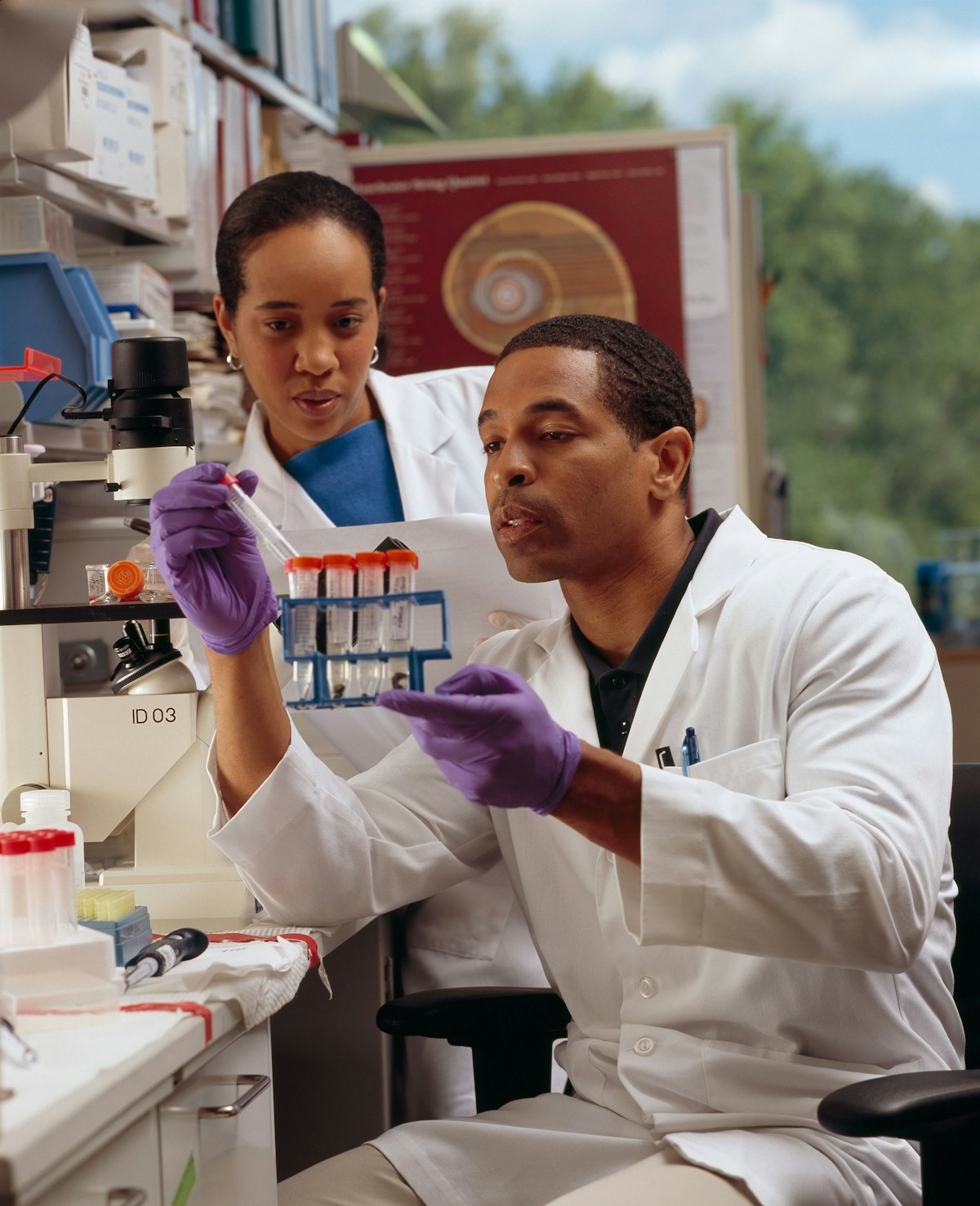
    January 2026: New Year, Fundamentals Review, Green Chemistry

     January's theme—New Year, Fundamentals Review, Green Chemistry—resets organic chemists for 2026 by revisiting core reactions while prioritizing sustainability. This focus matters because traditional organic synthesis generates excessive waste, but green principles like atom economy and E-factors minimize hazardous byproducts, aligning with global environmental regulations and industrial demands.

    Why This Theme

    New Year timing motivates renewal, reviewing 2025 breakthroughs alongside fundamentals like Grignard Reaction Mechanism Explained with Examples ensures strong mechanistic understanding essential for innovation. Green chemistry integration addresses synthesis challenges, reducing solvent use and energy via methods like microwave-assisted reactions, directly impacting scalable pharmaceutical and materials production.

    Impact on Organic Synthesis

    Fundamentals provide the mechanistic foundation for complex targets, while green metrics enable efficient, low-waste C-C bond formations like Suzuki Coupling: Mechanism, Scope, and Applications. This dual approach drives trends in precision synthesis, cutting E-factors from traditional highs to under 5 in modern protocols, fostering safer labs and economically viable processes—see Understanding E-Factors in Sustainable Chemistry.